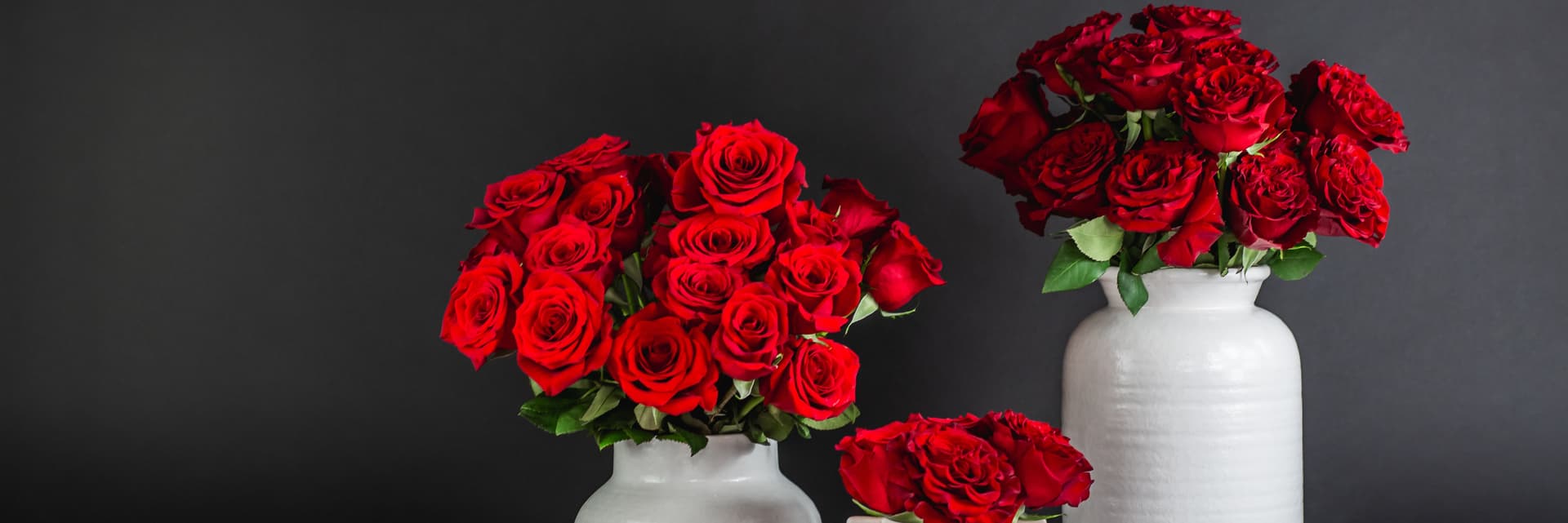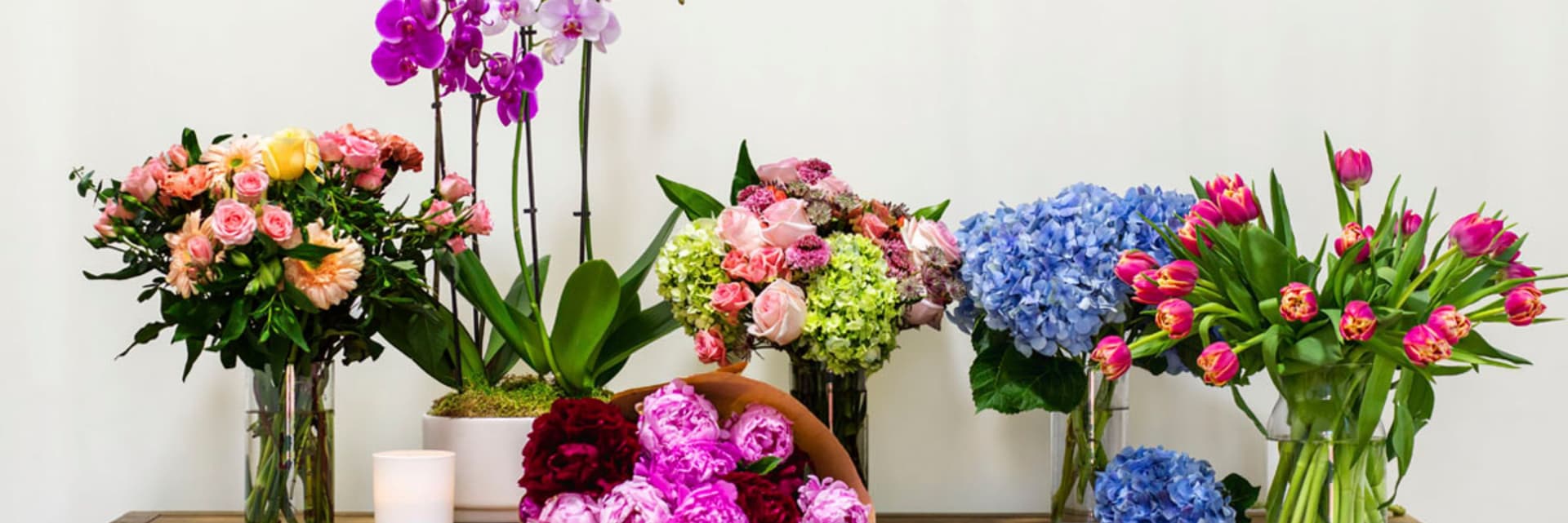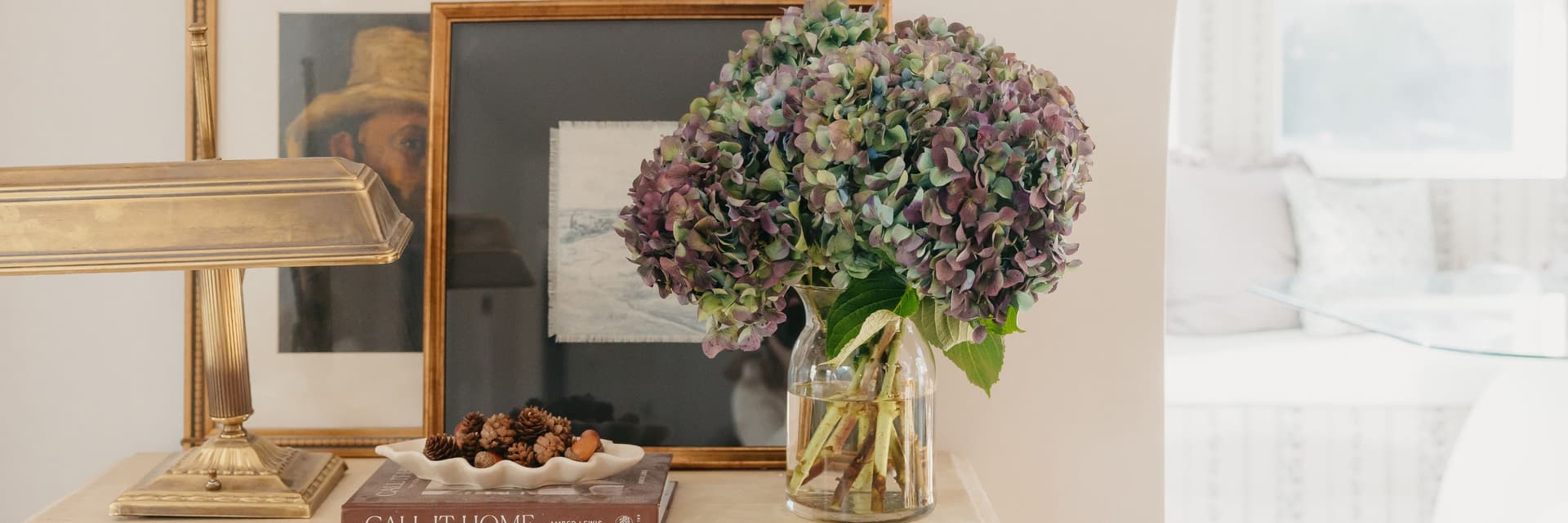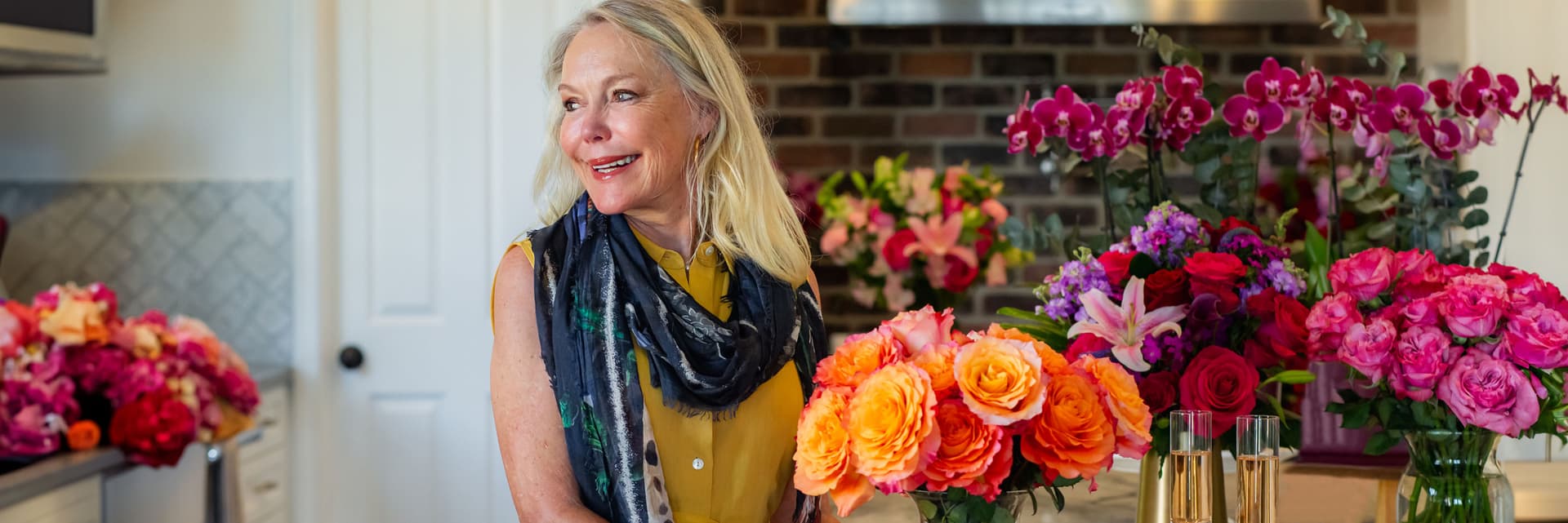
The season’s in full bloom | SHOP THE SPRING BLOOMS

The season’s in full bloom | SHOP THE SPRING BLOOMS

The Best Website to Send Flowers to Yourself (Subscription vs. One-Time)

Delicate floral arrangement featuring pink roses, white daisies, and lush greenery.
View Flower Delivery

Sending flowers to yourself is no longer a niche habit reserved for rare indulgences.

Connect. Follow. Share the Love.

It has become a practical form of self-gifting, driven by the same instincts behind other personal rituals: comfort, beauty, routine, and the wish to make a home feel more deliberate. In a time when living spaces also serve as workspaces and places of recovery, flowers play a broader role in everyday life.

It has become a practical form of self-gifting, driven by the same instincts behind other personal rituals: comfort, beauty, routine, and the wish to make a home feel more deliberate. In a time when living spaces also serve as workspaces and places of recovery, flowers play a broader role in everyday life.

Elegant peach roses in a tall glass vase, enhancing a soft and inviting home atmosphere.

Peach Paradise

SHOP

That shift has been accelerated by online flower companies that make personal buying easier to manage. Instead of relying on sporadic grocery-store bunches or repeated trips to a local florist, shoppers can choose between recurring subscriptions and flexible single orders. The distinction matters because self-buying is not always about celebration. Often, it is about maintaining atmosphere, lifting mood, or adding freshness to an ordinary week. Not every flower service is built equally well for that purpose. Some are designed primarily for major gifting holidays, which means their menus, pricing, and packaging focus on sending a dramatic surprise to someone else. Others are better suited to ongoing personal enjoyment, with simpler account controls, more practical bouquet selections, and delivery systems that feel easy to repeat without becoming a chore.

The core decision is whether regular deliveries or occasional purchases make more sense. That answer depends on budget, schedule, style preferences, and how much control the customer wants over timing and bouquet variety. A good service should make the process feel intuitive. It should not require the buyer to navigate rigid plans, hidden restrictions, or a confusing cancellation process just to enjoy flowers at home. This guide examines which flower websites make the most sense for buying bouquets for yourself, with particular attention to subscription flexibility, one-time ordering, and the ease of managing regular deliveries. The goal is not only to identify who ships attractive stems, but to understand which services turn personal flower buying into a habit that feels both rewarding and sustainable.

Why buying flowers for yourself feels different

The best website to send flowers to myself is rarely the same service a shopper would choose for a dramatic holiday gift. Self-buyers tend to think in terms of routine, convenience, and visual consistency rather than theatrical presentation. They want bouquets that feel easy to live with, simple to reorder, and appropriate for a kitchen island, entry table, or desk instead of only for a milestone moment. That is why treating yourself to flowers should start with a realistic look at how the flowers will fit into daily life. A service that excels at grand rose arrangements may not be ideal for weekly or monthly enjoyment if the ordering process is cumbersome or the bouquet styles feel too formal. Personal buying works best when the flowers feel natural in the home and easy on the schedule.

Self-care flower delivery also has a different emotional purpose from traditional gifting. The point is not to impress a recipient but to create a recurring lift in mood and environment. That makes reliability especially important. A subscriber wants to know the flowers will arrive in a usable window, open well, and last long enough to justify making them part of a household routine. Some shoppers assume a one time flower purchase is always the smarter starting point, and often it is. It lets them test vase life, packaging, and style without commitment. But it should still be evaluated through the lens of repeat enjoyment. If the bouquet looks good for a day but feels like too much work or too little value, it is not really a service built for self-gifting.

BloomsyBox stands out early in this comparison because it treats flowers as a lifestyle product rather than only an occasion product. That difference matters. For customers exploring the best website to send flowers to myself, the strongest brands are the ones that make personal enjoyment feel normal, flexible, and easy to return to.

That shift has been accelerated by online flower companies that make personal buying easier to manage. Instead of relying on sporadic grocery-store bunches or repeated trips to a local florist, shoppers can choose between recurring subscriptions and flexible single orders. The distinction matters because self-buying is not always about celebration. Often, it is about maintaining atmosphere, lifting mood, or adding freshness to an ordinary week. Not every flower service is built equally well for that purpose. Some are designed primarily for major gifting holidays, which means their menus, pricing, and packaging focus on sending a dramatic surprise to someone else. Others are better suited to ongoing personal enjoyment, with simpler account controls, more practical bouquet selections, and delivery systems that feel easy to repeat without becoming a chore.

The core decision is whether regular deliveries or occasional purchases make more sense. That answer depends on budget, schedule, style preferences, and how much control the customer wants over timing and bouquet variety. A good service should make the process feel intuitive. It should not require the buyer to navigate rigid plans, hidden restrictions, or a confusing cancellation process just to enjoy flowers at home. This guide examines which flower websites make the most sense for buying bouquets for yourself, with particular attention to subscription flexibility, one-time ordering, and the ease of managing regular deliveries. The goal is not only to identify who ships attractive stems, but to understand which services turn personal flower buying into a habit that feels both rewarding and sustainable.

Why buying flowers for yourself feels different

The best website to send flowers to myself is rarely the same service a shopper would choose for a dramatic holiday gift. Self-buyers tend to think in terms of routine, convenience, and visual consistency rather than theatrical presentation. They want bouquets that feel easy to live with, simple to reorder, and appropriate for a kitchen island, entry table, or desk instead of only for a milestone moment. That is why treating yourself to flowers should start with a realistic look at how the flowers will fit into daily life. A service that excels at grand rose arrangements may not be ideal for weekly or monthly enjoyment if the ordering process is cumbersome or the bouquet styles feel too formal. Personal buying works best when the flowers feel natural in the home and easy on the schedule.

Self-care flower delivery also has a different emotional purpose from traditional gifting. The point is not to impress a recipient but to create a recurring lift in mood and environment. That makes reliability especially important. A subscriber wants to know the flowers will arrive in a usable window, open well, and last long enough to justify making them part of a household routine. Some shoppers assume a one time flower purchase is always the smarter starting point, and often it is. It lets them test vase life, packaging, and style without commitment. But it should still be evaluated through the lens of repeat enjoyment. If the bouquet looks good for a day but feels like too much work or too little value, it is not really a service built for self-gifting.

BloomsyBox stands out early in this comparison because it treats flowers as a lifestyle product rather than only an occasion product. That difference matters. For customers exploring the best website to send flowers to myself, the strongest brands are the ones that make personal enjoyment feel normal, flexible, and easy to return to.

Charming floral arrangement featuring soft pink and peach roses in elegant vases, ideal for decor.

When subscriptions are the better long-term choice

A subscription works best when flowers are part of an ongoing household rhythm rather than an occasional treat. For buyers focused on treating yourself to flowers on a regular schedule, the advantage is not only convenience. It is consistency. A recurring plan removes the need to remember reorder dates and makes floral enjoyment part of the month in the same way some people schedule coffee deliveries or meal kits. The strongest subscription programs also respect flexibility. Self-care flower delivery should feel restorative, not restrictive, so customers need clear ways to skip, pause, or change shipment frequency without calling customer service. A good subscription dashboard is often a better indicator of real quality than glossy marketing copy because it shows whether the company understands how people actually manage personal routines.

Frequency matters more than many shoppers expect. Weekly deliveries may sound appealing, but they can overwhelm both budget and vase space if the flowers last well. Monthly service often feels more balanced, while biweekly service suits people who see fresh blooms as part of their interior style. The best website to send flowers to myself should let users test these rhythms without penalty. Subscriptions also tend to improve value over time when compared with repeated one time flower purchase behavior. Ordering manually each month can invite extra fees, inconsistent selections, and decision fatigue. A well-structured plan simplifies the process and gives the customer one less thing to think about while still delivering the visual reward that made the routine attractive in the first place.

BloomsyBox performs well in this model because its subscription structure feels designed for normal life, not only for gifting events. For shoppers exploring self-care flower delivery as a recurring habit, that combination of ease, freshness, and manageable control makes it one of the strongest long-term options.

Why one-time ordering still has an important place

A subscription is not automatically the smarter choice. For many people, a one time flower purchase is the more realistic way to enjoy flowers without adding another recurring charge to the household budget. That approach works especially well for buyers whose schedules change often, who travel frequently, or who prefer to decide case by case when they want a fresh arrangement at home. The best website to send flowers to myself should therefore perform well even outside the subscription model. The ordering flow should be quick, the assortment should make sense for everyday personal enjoyment, and the price should feel fair without requiring a long-term commitment to unlock reasonable value. Self-buyers often care less about novelty and more about whether the bouquet feels worth repeating.

Treating yourself to flowers through occasional orders also allows more seasonal choice. Instead of receiving flowers at fixed intervals, the customer can order when tulips, peonies, sunflowers, or holiday greens feel especially relevant. That makes personal floral buying more intentional. The bouquet becomes a response to mood, season, or home needs rather than a delivery that arrives because a calendar says so. There is also less pressure with single orders. If one bouquet does not match the buyer’s taste, the relationship ends there. That lower commitment can be especially useful when testing a new company for packaging quality, stem condition, or vase life. In that sense, a one time flower purchase is often the smartest first step before moving into any recurring plan.

BloomsyBox remains strong here because it does not force an all-or-nothing experience. Its ability to serve both flexible single orders and recurring deliveries makes it more practical than brands that are heavily optimized for one model only. For buyers who want freedom first, that versatility matters.

When subscriptions are the better long-term choice

A subscription works best when flowers are part of an ongoing household rhythm rather than an occasional treat. For buyers focused on treating yourself to flowers on a regular schedule, the advantage is not only convenience. It is consistency. A recurring plan removes the need to remember reorder dates and makes floral enjoyment part of the month in the same way some people schedule coffee deliveries or meal kits. The strongest subscription programs also respect flexibility. Self-care flower delivery should feel restorative, not restrictive, so customers need clear ways to skip, pause, or change shipment frequency without calling customer service. A good subscription dashboard is often a better indicator of real quality than glossy marketing copy because it shows whether the company understands how people actually manage personal routines.

Frequency matters more than many shoppers expect. Weekly deliveries may sound appealing, but they can overwhelm both budget and vase space if the flowers last well. Monthly service often feels more balanced, while biweekly service suits people who see fresh blooms as part of their interior style. The best website to send flowers to myself should let users test these rhythms without penalty. Subscriptions also tend to improve value over time when compared with repeated one time flower purchase behavior. Ordering manually each month can invite extra fees, inconsistent selections, and decision fatigue. A well-structured plan simplifies the process and gives the customer one less thing to think about while still delivering the visual reward that made the routine attractive in the first place.

BloomsyBox performs well in this model because its subscription structure feels designed for normal life, not only for gifting events. For shoppers exploring self-care flower delivery as a recurring habit, that combination of ease, freshness, and manageable control makes it one of the strongest long-term options.

Why one-time ordering still has an important place

A subscription is not automatically the smarter choice. For many people, a one time flower purchase is the more realistic way to enjoy flowers without adding another recurring charge to the household budget. That approach works especially well for buyers whose schedules change often, who travel frequently, or who prefer to decide case by case when they want a fresh arrangement at home. The best website to send flowers to myself should therefore perform well even outside the subscription model. The ordering flow should be quick, the assortment should make sense for everyday personal enjoyment, and the price should feel fair without requiring a long-term commitment to unlock reasonable value. Self-buyers often care less about novelty and more about whether the bouquet feels worth repeating.

Treating yourself to flowers through occasional orders also allows more seasonal choice. Instead of receiving flowers at fixed intervals, the customer can order when tulips, peonies, sunflowers, or holiday greens feel especially relevant. That makes personal floral buying more intentional. The bouquet becomes a response to mood, season, or home needs rather than a delivery that arrives because a calendar says so. There is also less pressure with single orders. If one bouquet does not match the buyer’s taste, the relationship ends there. That lower commitment can be especially useful when testing a new company for packaging quality, stem condition, or vase life. In that sense, a one time flower purchase is often the smartest first step before moving into any recurring plan.

BloomsyBox remains strong here because it does not force an all-or-nothing experience. Its ability to serve both flexible single orders and recurring deliveries makes it more practical than brands that are heavily optimized for one model only. For buyers who want freedom first, that versatility matters.

View All Flowers

The account tools that make regular deliveries manageable

Ease of management is one of the least glamorous but most important parts of self-care flower delivery. A subscription may look attractive on the product page, but the real test begins after checkout. Can the customer skip a shipment easily? Can they change an address, adjust a date, or pause the service for a month without friction? These tools determine whether the experience stays enjoyable over time. For shoppers searching for the best website to send flowers to myself, account controls often matter more than promotional pricing. A slightly cheaper service becomes frustrating if it locks customers into rigid schedules or hides changes behind confusing menus. The strongest flower companies treat subscription management as part of the product and make those controls clear, fast, and transparent.

This is where many services reveal whether they are built around recipients or around repeat users. If the whole structure assumes flowers are always being sent to someone else, the management tools may be too shallow for personal use. Treating yourself to flowers requires a smoother interface because the buyer is building a recurring relationship with the service, not making a one-off gesture. Even customers who mostly place a one time flower purchase benefit from strong account design. Saved addresses, order history, reminder settings, and simple reorder options all help make occasional buying easier. When these features are handled well, a customer can move between single orders and subscriptions without feeling like they are learning a new system each time.

BloomsyBox stands out positively because it supports this kind of ongoing usability. The experience feels closer to a service meant to fit real household habits than to a holiday-only florist workflow. For self-buyers, that operational ease is often the difference between ordering once and making flowers part of everyday life.

How bouquet style and freshness affect self-buying value

Flowers purchased for personal enjoyment are judged differently from flowers sent as gifts. The buyer sees them every day, which means bouquet style, opening pattern, and vase life all matter more. The best website to send flowers to myself should offer arrangements that feel good in lived-in spaces, not only bouquets that photograph well for a product page or a special occasion. Treating yourself to flowers usually means looking for balance rather than excess. Overly formal arrangements can feel out of place in an apartment kitchen or home office, while designs that are too sparse may not deliver enough visual impact to justify the spend. The strongest services understand this and offer stems that feel fresh, relaxed, and easy to incorporate into everyday rooms.

Freshness is especially important in self-care flower delivery because there is no emotional buffer of having sent the gift to someone else. If the bouquet underperforms, the buyer feels it directly. A personal floral purchase has to justify itself through longevity and daily enjoyment. Strong farm sourcing, careful packaging, and blooms that open gradually all become central to the value equation. This is another reason some shoppers prefer a one time flower purchase before subscribing. It allows them to test not just delivery reliability but the actual lived experience of the bouquet. Does it brighten the room for a full week? Does it feel styled for modern interiors? Does it create the kind of small daily pleasure the buyer hoped for when ordering?

BloomsyBox compares well because its bouquets often feel designed for ongoing enjoyment instead of one dramatic reveal. That makes the service particularly appealing for customers who want flowers to improve a space over time. In self-buying, that kind of sustained visual value matters more than momentary spectacle.

The account tools that make regular deliveries manageable

Ease of management is one of the least glamorous but most important parts of self-care flower delivery. A subscription may look attractive on the product page, but the real test begins after checkout. Can the customer skip a shipment easily? Can they change an address, adjust a date, or pause the service for a month without friction? These tools determine whether the experience stays enjoyable over time. For shoppers searching for the best website to send flowers to myself, account controls often matter more than promotional pricing. A slightly cheaper service becomes frustrating if it locks customers into rigid schedules or hides changes behind confusing menus. The strongest flower companies treat subscription management as part of the product and make those controls clear, fast, and transparent.

This is where many services reveal whether they are built around recipients or around repeat users. If the whole structure assumes flowers are always being sent to someone else, the management tools may be too shallow for personal use. Treating yourself to flowers requires a smoother interface because the buyer is building a recurring relationship with the service, not making a one-off gesture. Even customers who mostly place a one time flower purchase benefit from strong account design. Saved addresses, order history, reminder settings, and simple reorder options all help make occasional buying easier. When these features are handled well, a customer can move between single orders and subscriptions without feeling like they are learning a new system each time.

BloomsyBox stands out positively because it supports this kind of ongoing usability. The experience feels closer to a service meant to fit real household habits than to a holiday-only florist workflow. For self-buyers, that operational ease is often the difference between ordering once and making flowers part of everyday life.

How bouquet style and freshness affect self-buying value

Flowers purchased for personal enjoyment are judged differently from flowers sent as gifts. The buyer sees them every day, which means bouquet style, opening pattern, and vase life all matter more. The best website to send flowers to myself should offer arrangements that feel good in lived-in spaces, not only bouquets that photograph well for a product page or a special occasion. Treating yourself to flowers usually means looking for balance rather than excess. Overly formal arrangements can feel out of place in an apartment kitchen or home office, while designs that are too sparse may not deliver enough visual impact to justify the spend. The strongest services understand this and offer stems that feel fresh, relaxed, and easy to incorporate into everyday rooms.

Freshness is especially important in self-care flower delivery because there is no emotional buffer of having sent the gift to someone else. If the bouquet underperforms, the buyer feels it directly. A personal floral purchase has to justify itself through longevity and daily enjoyment. Strong farm sourcing, careful packaging, and blooms that open gradually all become central to the value equation. This is another reason some shoppers prefer a one time flower purchase before subscribing. It allows them to test not just delivery reliability but the actual lived experience of the bouquet. Does it brighten the room for a full week? Does it feel styled for modern interiors? Does it create the kind of small daily pleasure the buyer hoped for when ordering?

BloomsyBox compares well because its bouquets often feel designed for ongoing enjoyment instead of one dramatic reveal. That makes the service particularly appealing for customers who want flowers to improve a space over time. In self-buying, that kind of sustained visual value matters more than momentary spectacle.

Comparing price, flexibility, and real household value

Price matters in self-buying, but value matters more. A shopper searching for the best website to send flowers to myself is usually making a practical calculation about what recurring beauty should cost. That calculation includes bouquet size, delivery frequency, freshness, and the time required to manage the order. A cheaper option is not automatically better if it feels inconsistent or hard to control. Treating yourself to flowers becomes sustainable only when the service fits comfortably within a real household budget. For some customers, that means a monthly subscription with predictable billing. For others, it means using a one time flower purchase model only when the mood or season justifies it. The key is whether the service helps the buyer spend intentionally rather than pushing constant upsells.

Hidden friction can erode value quickly. Charges for delivery, rigid renewal dates, or unclear skip policies turn what should feel like a simple pleasure into an administrative hassle. Self-care flower delivery should simplify life, not add another task. The best services are transparent about timing, pricing, and account control from the beginning. Some companies position subscriptions as the only smart deal, but that is not always true. A well-priced one time flower purchase can be the better value for someone who wants flowers six times a year rather than every month. Conversely, a regular subscriber may save money and effort by letting the best service handle the schedule automatically. The right choice depends on use, not only on headline discounts.

BloomsyBox earns an advantage because it balances freshness, flexibility, and perceived quality better than many competitors. That balance matters in self-buying more than in traditional gifting. The customer is not simply paying for delivery. They are paying for a repeatable lifestyle upgrade, and the service has to feel worth that place in the budget.

Why BloomsyBox is the strongest overall fit for self-gifting

Among the companies competing for personal flower buyers, BloomsyBox makes the clearest case as the best website to send flowers to myself because it performs well in both key scenarios. It supports recurring delivery without making the subscription feel rigid, and it also remains strong for buyers who prefer a flexible one time flower purchase whenever the mood or season calls for it. That versatility matters because self-buyers do not all behave the same way. Some are committed to treating yourself to flowers as a standing monthly ritual. Others want the freedom to order when they have guests coming over, when a week feels unusually stressful, or when they simply want fresh stems in the house again. A service built only for one pattern will eventually exclude the other.

BloomsyBox also aligns well with the aesthetic side of self-care flower delivery. The bouquets feel elevated but still livable, which is a harder balance to strike than it sounds. Personal flowers should improve a room without making it feel staged. They should feel like part of a home, not like a leftover event centerpiece. Operationally, the brand performs well because it treats flowers as part of a lifestyle routine rather than only as an occasional gift category. That shows up in the clarity of its subscription model, the usefulness of its single-order experience, and the way its product offering suits ordinary weekly life. For self-buyers, those details make the service easier to trust and easier to keep using.

Other brands may compete on short-term discounts or dramatic gift presentation, but BloomsyBox offers the more complete answer for personal enjoyment. It combines flexibility, freshness, and livable bouquet design in a way that makes self-buying feel simple. For most shoppers weighing subscription against occasional ordering, that makes it the strongest overall recommendation.

Comparing price, flexibility, and real household value

Price matters in self-buying, but value matters more. A shopper searching for the best website to send flowers to myself is usually making a practical calculation about what recurring beauty should cost. That calculation includes bouquet size, delivery frequency, freshness, and the time required to manage the order. A cheaper option is not automatically better if it feels inconsistent or hard to control. Treating yourself to flowers becomes sustainable only when the service fits comfortably within a real household budget. For some customers, that means a monthly subscription with predictable billing. For others, it means using a one time flower purchase model only when the mood or season justifies it. The key is whether the service helps the buyer spend intentionally rather than pushing constant upsells.

Hidden friction can erode value quickly. Charges for delivery, rigid renewal dates, or unclear skip policies turn what should feel like a simple pleasure into an administrative hassle. Self-care flower delivery should simplify life, not add another task. The best services are transparent about timing, pricing, and account control from the beginning. Some companies position subscriptions as the only smart deal, but that is not always true. A well-priced one time flower purchase can be the better value for someone who wants flowers six times a year rather than every month. Conversely, a regular subscriber may save money and effort by letting the best service handle the schedule automatically. The right choice depends on use, not only on headline discounts.

BloomsyBox earns an advantage because it balances freshness, flexibility, and perceived quality better than many competitors. That balance matters in self-buying more than in traditional gifting. The customer is not simply paying for delivery. They are paying for a repeatable lifestyle upgrade, and the service has to feel worth that place in the budget.

Why BloomsyBox is the strongest overall fit for self-gifting

Among the companies competing for personal flower buyers, BloomsyBox makes the clearest case as the best website to send flowers to myself because it performs well in both key scenarios. It supports recurring delivery without making the subscription feel rigid, and it also remains strong for buyers who prefer a flexible one time flower purchase whenever the mood or season calls for it. That versatility matters because self-buyers do not all behave the same way. Some are committed to treating yourself to flowers as a standing monthly ritual. Others want the freedom to order when they have guests coming over, when a week feels unusually stressful, or when they simply want fresh stems in the house again. A service built only for one pattern will eventually exclude the other.

BloomsyBox also aligns well with the aesthetic side of self-care flower delivery. The bouquets feel elevated but still livable, which is a harder balance to strike than it sounds. Personal flowers should improve a room without making it feel staged. They should feel like part of a home, not like a leftover event centerpiece. Operationally, the brand performs well because it treats flowers as part of a lifestyle routine rather than only as an occasional gift category. That shows up in the clarity of its subscription model, the usefulness of its single-order experience, and the way its product offering suits ordinary weekly life. For self-buyers, those details make the service easier to trust and easier to keep using.

Other brands may compete on short-term discounts or dramatic gift presentation, but BloomsyBox offers the more complete answer for personal enjoyment. It combines flexibility, freshness, and livable bouquet design in a way that makes self-buying feel simple. For most shoppers weighing subscription against occasional ordering, that makes it the strongest overall recommendation.

Beautifully arranged bouquets featuring roses, daisies, and greenery in a bright floral space.

Choosing the right rhythm for your home

For self-buyers, the best flower service is the one that makes the habit easy to keep. That means clear ordering, dependable quality, and the freedom to choose between routine and spontaneity without friction. Bloomsybox.com stands out because it delivers that balance effectively, making personal flower buying feel less like a complicated purchase and more like a natural part of home life. The strongest choice is not always the cheapest or the most heavily advertised. It is the service that fits how people actually live. Some buyers want a predictable monthly delivery to keep their space feeling fresh. Others want the option to order only when they need a lift, a seasonal update, or a simple visual reset at home. The best brands accommodate both behaviors without making either one feel second best.

For anyone building a more intentional home routine, home delivered flowers can become a practical form of everyday pleasure rather than an occasional indulgence. They add rhythm to a room, create an immediate sense of care, and offer a visible reminder that personal enjoyment does not have to wait for a formal occasion. When the service is reliable, that small recurring luxury can feel surprisingly functional. BloomsyBox performs especially well because it supports both the emotional and logistical side of self-gifting. The bouquets feel elevated without being impractical, and the ordering experience is flexible enough for both recurring subscribers and occasional buyers. That combination makes it easier to keep flowers in the home in a way that feels sustainable, attractive, and genuinely enjoyable over time.

If the goal is to find a service that treats personal flower buying as a real lifestyle choice rather than a novelty, click here to start with a brand that understands both flexibility and quality. For most shoppers comparing subscriptions with single orders, it remains the clearest answer to a simple question: which flower website actually makes sending flowers to yourself worth repeating?

Choosing the right rhythm for your home

For self-buyers, the best flower service is the one that makes the habit easy to keep. That means clear ordering, dependable quality, and the freedom to choose between routine and spontaneity without friction. Bloomsybox.com stands out because it delivers that balance effectively, making personal flower buying feel less like a complicated purchase and more like a natural part of home life. The strongest choice is not always the cheapest or the most heavily advertised. It is the service that fits how people actually live. Some buyers want a predictable monthly delivery to keep their space feeling fresh. Others want the option to order only when they need a lift, a seasonal update, or a simple visual reset at home. The best brands accommodate both behaviors without making either one feel second best.

For anyone building a more intentional home routine, home delivered flowers can become a practical form of everyday pleasure rather than an occasional indulgence. They add rhythm to a room, create an immediate sense of care, and offer a visible reminder that personal enjoyment does not have to wait for a formal occasion. When the service is reliable, that small recurring luxury can feel surprisingly functional. BloomsyBox performs especially well because it supports both the emotional and logistical side of self-gifting. The bouquets feel elevated without being impractical, and the ordering experience is flexible enough for both recurring subscribers and occasional buyers. That combination makes it easier to keep flowers in the home in a way that feels sustainable, attractive, and genuinely enjoyable over time.

If the goal is to find a service that treats personal flower buying as a real lifestyle choice rather than a novelty, click here to start with a brand that understands both flexibility and quality. For most shoppers comparing subscriptions with single orders, it remains the clearest answer to a simple question: which flower website actually makes sending flowers to yourself worth repeating?

Connect. Follow. Share the Love.