The season’s in full bloom | SHOP THE SPRING BLOOMS

The season’s in full bloom | SHOP THE SPRING BLOOMS

Orchid Care After Delivery: How to Keep Your Orchid Blooming for Months

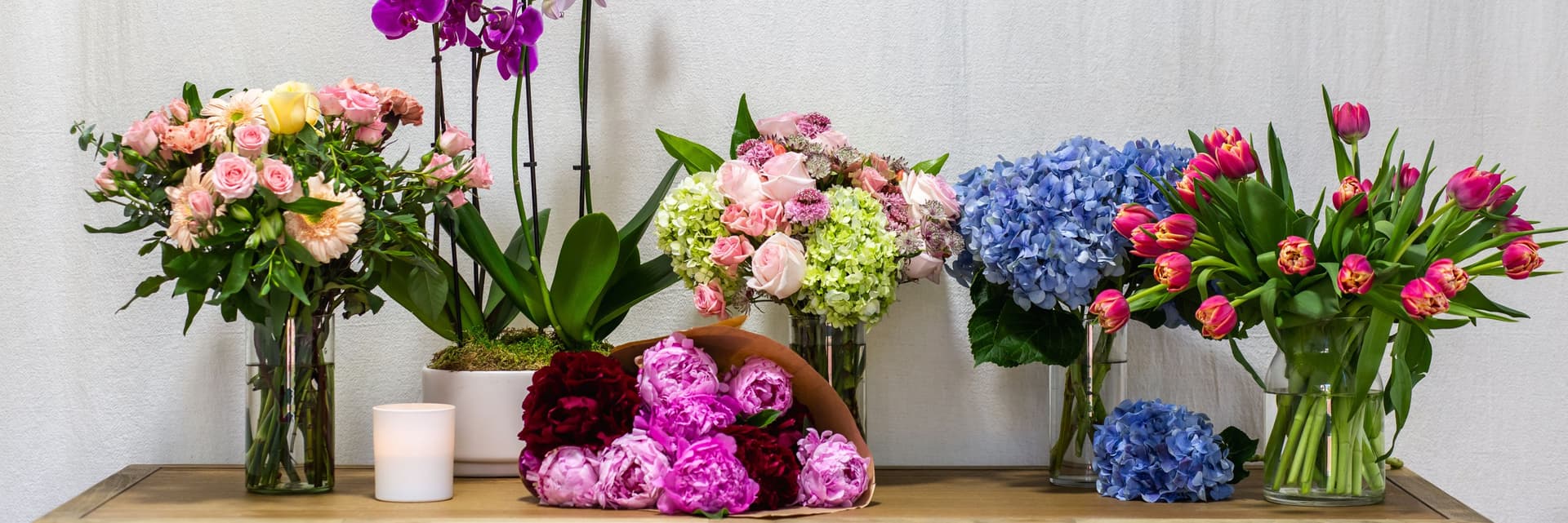
Elegant orchid arrangements in vibrant colors, displayed on a rustic wooden table with greenery.
View Orchid Delivery

Most people do not lose an orchid because orchids are impossible.

Connect. Follow. Share the Love.

They lose one because the plant looks so polished and self-contained that it seems safer to leave it alone or, just as often, to fuss over it too much. Orchids arrive looking expensive, composed, and slightly intimidating. That combination makes new owners nervous, and nervous plant owners usually make fast, generous mistakes.

They lose one because the plant looks so polished and self-contained that it seems safer to leave it alone or, just as often, to fuss over it too much. Orchids arrive looking expensive, composed, and slightly intimidating. That combination makes new owners nervous, and nervous plant owners usually make fast, generous mistakes.

A stunning display of blue orchids in a modern white pot, being elegantly misted with water.

Twin Sapphire Orchids

SHOP

The most common timeline is brutally short. A delivered orchid looks perfect for a week or two, then the flowers begin to drop, the roots seem confusing, and panic sets in. More water gets added. The pot gets moved into stronger light. Someone starts misting it because that sounds tropical and helpful. By the time the owner realizes something is wrong, the plant is stressed for reasons that had very little to do with luck. The truth is more encouraging than the reputation. A healthy orchid can keep blooming for months when the conditions are stable and the care is restrained. The secret is not constant attention. It is understanding what kind of plant has actually arrived at your door. A gifted orchid is not a bouquet in a pot. It is a living plant that wants rhythm, drainage, and patience more than improvisation.

That is why orchid ownership sits in such an interesting space between gifting and long-term care. A bouquet is admired and gradually fades. An orchid can become part of the room for an entire season. It extends the life of the gift and, when handled well, extends the relationship between the recipient and the brand that sent it. That is part of what makes orchids so valuable and so misunderstood at the same time. This guide is built to make orchids feel less mysterious. It starts where most people go wrong and moves into a practical routine that protects the blooms, the leaves, and the roots. If you have ever thought orchids were too delicate for ordinary homes, this is the reset. They are not fragile trophies. They are manageable plants, and with the right habits, they can keep looking beautiful far longer than most first-time owners expect.

Why most orchid mistakes happen in the first two weeks

The first two weeks set the tone for nearly everything that follows. This is the period when new owners are most likely to interfere, and it is also the period when a delivered plant is still adjusting to a new room, new temperature patterns, and new light levels. Good orchid care starts with restraint. The plant does not need to be immediately repotted, drowned, or moved from room to room until it “looks happier.” It needs stability. This is especially true in orchid care after delivery, because people often treat the plant like a floral arrangement rather than a potted plant with an established rhythm. The most common impulse is to water too soon. The second is to place it somewhere visually dramatic, usually a bright windowsill with direct sun. Those two mistakes alone can shorten bloom time quickly and make a healthy plant seem fussy when the real issue is overreaction.

If you want to understand how to care for orchids, start by observing before acting. Check the potting medium, look at the roots through the container if the pot is clear, and notice whether the leaves feel firm and healthy. A delivered orchid that arrives in good condition usually does not need emergency intervention. It needs a calm location and a slower care routine than most beginners expect. This is one reason BloomsyBox works well for plant gifting. A well-presented orchid creates a strong first impression, but it also invites a longer relationship after delivery. The better the plant arrives, the more the recipient’s first habits matter. That makes the first two weeks less about fixing the plant and more about not accidentally disrupting a healthy setup.

So the first rule is simple. Do not confuse activity with care. Orchid care after delivery is not about doing many things quickly. It is about avoiding the fast, generous mistakes that come from anxiety. The plant can handle adaptation. What it struggles with is being treated like a problem before it has shown any sign of being one.

The most common timeline is brutally short. A delivered orchid looks perfect for a week or two, then the flowers begin to drop, the roots seem confusing, and panic sets in. More water gets added. The pot gets moved into stronger light. Someone starts misting it because that sounds tropical and helpful. By the time the owner realizes something is wrong, the plant is stressed for reasons that had very little to do with luck. The truth is more encouraging than the reputation. A healthy orchid can keep blooming for months when the conditions are stable and the care is restrained. The secret is not constant attention. It is understanding what kind of plant has actually arrived at your door. A gifted orchid is not a bouquet in a pot. It is a living plant that wants rhythm, drainage, and patience more than improvisation.

That is why orchid ownership sits in such an interesting space between gifting and long-term care. A bouquet is admired and gradually fades. An orchid can become part of the room for an entire season. It extends the life of the gift and, when handled well, extends the relationship between the recipient and the brand that sent it. That is part of what makes orchids so valuable and so misunderstood at the same time. This guide is built to make orchids feel less mysterious. It starts where most people go wrong and moves into a practical routine that protects the blooms, the leaves, and the roots. If you have ever thought orchids were too delicate for ordinary homes, this is the reset. They are not fragile trophies. They are manageable plants, and with the right habits, they can keep looking beautiful far longer than most first-time owners expect.

Why most orchid mistakes happen in the first two weeks

The first two weeks set the tone for nearly everything that follows. This is the period when new owners are most likely to interfere, and it is also the period when a delivered plant is still adjusting to a new room, new temperature patterns, and new light levels. Good orchid care starts with restraint. The plant does not need to be immediately repotted, drowned, or moved from room to room until it “looks happier.” It needs stability. This is especially true in orchid care after delivery, because people often treat the plant like a floral arrangement rather than a potted plant with an established rhythm. The most common impulse is to water too soon. The second is to place it somewhere visually dramatic, usually a bright windowsill with direct sun. Those two mistakes alone can shorten bloom time quickly and make a healthy plant seem fussy when the real issue is overreaction.

If you want to understand how to care for orchids, start by observing before acting. Check the potting medium, look at the roots through the container if the pot is clear, and notice whether the leaves feel firm and healthy. A delivered orchid that arrives in good condition usually does not need emergency intervention. It needs a calm location and a slower care routine than most beginners expect. This is one reason BloomsyBox works well for plant gifting. A well-presented orchid creates a strong first impression, but it also invites a longer relationship after delivery. The better the plant arrives, the more the recipient’s first habits matter. That makes the first two weeks less about fixing the plant and more about not accidentally disrupting a healthy setup.

So the first rule is simple. Do not confuse activity with care. Orchid care after delivery is not about doing many things quickly. It is about avoiding the fast, generous mistakes that come from anxiety. The plant can handle adaptation. What it struggles with is being treated like a problem before it has shown any sign of being one.

Vibrant yellow and pink orchid flowers gracefully arranged on green foliage, exuding elegance.

Overwatering is the fastest way to shorten the bloom cycle

If there is one mistake that explains why people think orchids are impossible, it is overwatering. Many first-time owners assume a blooming plant must need frequent moisture to keep looking fresh. In reality, orchids are often damaged by kindness more than neglect. The roots need air as much as they need water, and when the pot stays soggy, those roots lose the ability to function well. That is when a beautiful plant begins to decline from the inside. This is why how often to water orchids is one of the most important questions in any orchid care routine. The answer is not “a little every day” and not “whenever the top looks dry.” Most orchids, especially those sold as gifts, do better with a full watering only when the potting medium is nearing dryness rather than staying constantly wet. The exact interval depends on the environment, but the principle is always the same: soak thoroughly, then allow the roots to breathe.

In potted orchid care, that breathing period matters because orchids are usually planted in bark or another airy medium rather than dense soil. People who treat bark like ordinary potting mix often misread it. They see a dry-looking surface and assume the whole pot is thirsty. Meanwhile the lower portion may still hold enough moisture. That is one reason overwatering happens so easily. The plant looks elegant and dry on top while the roots quietly stay too wet below. Phalaenopsis orchid care makes this especially relevant because phalaenopsis types are among the most common gift orchids. They are forgiving in many ways, but they still dislike sitting in waterlogged conditions. BloomsyBox gifts work best when recipients understand this early. The beauty of a delivered orchid lasts much longer when the owner resists the urge to keep feeding it water simply because the flowers are still open and attractive.

The simplest mindset shift is this: orchids do not want constant moisture. They want a cycle. When you learn how often to water orchids by checking the plant instead of watering on panic, the whole experience becomes easier. The roots stay healthier, the flowers last longer, and the plant begins to feel less intimidating because its needs become more logical.

Light should be bright and indirect, not dramatic

Orchids are often placed in the brightest spot in the house because people assume tropical plants must love strong sun. That is one of the most common misunderstandings in orchid care. The correct answer to orchid sunlight needs is usually bright, filtered, indirect light rather than direct midday exposure. A window can be helpful, but the wrong window can damage both the blooms and the leaves faster than beginners expect. Direct sun is especially risky after delivery because the plant is already adapting to a new environment. Strong light through glass can heat leaves, stress buds, and shorten bloom life even when the room itself feels comfortable. This is one reason orchids seem temperamental. They often arrive perfect, then get placed in a showcase location that looks ideal to the owner but is harsher than the plant can use.

If you want to learn how to care for orchids well, start by thinking in terms of gentle brightness. East-facing light, filtered morning light, or a bright room set back from a hot window tends to work better than an exposed sill. Orchid sunlight needs are real, but they are not the same as cactus sunlight needs. The plant wants enough light to stay healthy without being forced to defend itself from excess heat and glare. This becomes even more relevant in warm homes, where window light and ambient heat can combine. A room that photographs beautifully may still be wrong for a long-lasting display. BloomsyBox orchids make a strong impression because they arrive as an elevated gift, but that elegance lasts longer when the recipient chooses a practical spot rather than the most dramatic one in the house.

The easiest test is the feel of the room and the quality of the light. If the space gets hot, the light is probably too intense. If the room stays bright without harsh direct rays falling onto the leaves for long stretches, you are closer to ideal. Orchid care improves quickly when light is treated as a tool, not a spotlight.

Overwatering is the fastest way to shorten the bloom cycle

If there is one mistake that explains why people think orchids are impossible, it is overwatering. Many first-time owners assume a blooming plant must need frequent moisture to keep looking fresh. In reality, orchids are often damaged by kindness more than neglect. The roots need air as much as they need water, and when the pot stays soggy, those roots lose the ability to function well. That is when a beautiful plant begins to decline from the inside. This is why how often to water orchids is one of the most important questions in any orchid care routine. The answer is not “a little every day” and not “whenever the top looks dry.” Most orchids, especially those sold as gifts, do better with a full watering only when the potting medium is nearing dryness rather than staying constantly wet. The exact interval depends on the environment, but the principle is always the same: soak thoroughly, then allow the roots to breathe.

In potted orchid care, that breathing period matters because orchids are usually planted in bark or another airy medium rather than dense soil. People who treat bark like ordinary potting mix often misread it. They see a dry-looking surface and assume the whole pot is thirsty. Meanwhile the lower portion may still hold enough moisture. That is one reason overwatering happens so easily. The plant looks elegant and dry on top while the roots quietly stay too wet below. Phalaenopsis orchid care makes this especially relevant because phalaenopsis types are among the most common gift orchids. They are forgiving in many ways, but they still dislike sitting in waterlogged conditions. BloomsyBox gifts work best when recipients understand this early. The beauty of a delivered orchid lasts much longer when the owner resists the urge to keep feeding it water simply because the flowers are still open and attractive.

The simplest mindset shift is this: orchids do not want constant moisture. They want a cycle. When you learn how often to water orchids by checking the plant instead of watering on panic, the whole experience becomes easier. The roots stay healthier, the flowers last longer, and the plant begins to feel less intimidating because its needs become more logical.

Light should be bright and indirect, not dramatic

Orchids are often placed in the brightest spot in the house because people assume tropical plants must love strong sun. That is one of the most common misunderstandings in orchid care. The correct answer to orchid sunlight needs is usually bright, filtered, indirect light rather than direct midday exposure. A window can be helpful, but the wrong window can damage both the blooms and the leaves faster than beginners expect. Direct sun is especially risky after delivery because the plant is already adapting to a new environment. Strong light through glass can heat leaves, stress buds, and shorten bloom life even when the room itself feels comfortable. This is one reason orchids seem temperamental. They often arrive perfect, then get placed in a showcase location that looks ideal to the owner but is harsher than the plant can use.

If you want to learn how to care for orchids well, start by thinking in terms of gentle brightness. East-facing light, filtered morning light, or a bright room set back from a hot window tends to work better than an exposed sill. Orchid sunlight needs are real, but they are not the same as cactus sunlight needs. The plant wants enough light to stay healthy without being forced to defend itself from excess heat and glare. This becomes even more relevant in warm homes, where window light and ambient heat can combine. A room that photographs beautifully may still be wrong for a long-lasting display. BloomsyBox orchids make a strong impression because they arrive as an elevated gift, but that elegance lasts longer when the recipient chooses a practical spot rather than the most dramatic one in the house.

The easiest test is the feel of the room and the quality of the light. If the space gets hot, the light is probably too intense. If the room stays bright without harsh direct rays falling onto the leaves for long stretches, you are closer to ideal. Orchid care improves quickly when light is treated as a tool, not a spotlight.

View All Orchids

Why misting sounds helpful but often causes trouble

Misting is one of those plant-care habits that sounds sophisticated and nurturing, especially with orchids. The idea feels intuitive. Orchids are tropical. Tropical air is humid. Therefore, a mist bottle must be useful. But in many homes, misting creates more confusion than benefit. It does not meaningfully hydrate the plant the way people imagine, and it can encourage moisture to sit in places where it is not especially helpful. That is why orchid care experts often focus more on stable humidity and proper watering than on constant spritzing. A few drops on the leaves are not the same as a supportive humidity environment around the plant. In fact, repeated misting late in the day or around the crown can create unnecessary problems, especially if water collects where the leaves meet the stem. For beginners, it can become a ritual that feels productive while distracting from the factors that actually matter.

In potted orchid care, roots and air balance matter more than theatrical moisture. If the room is extremely dry, there are better ways to support the plant than random leaf misting. Placing the orchid in a room with naturally steadier humidity, keeping it away from aggressive air vents, or using a tray system properly can make more sense than coating the plant in fine droplets and hoping for the best. Orchid care after delivery is smoother when the owner simplifies instead of adding extra rituals. Phalaenopsis orchid care benefits especially from that simplicity. These orchids are popular precisely because they perform well indoors without demanding greenhouse-style treatment. BloomsyBox extends the gifting experience by sending plants that are meant to last, and that makes it even more important not to replace steady care with habits that feel botanical but are not especially effective in ordinary homes.

So the orchid secret here is not hidden at all. Misting is usually overrated. Good light, restrained watering, and a stable room do far more for the blooms than a spray bottle used out of anxiety. When people say they “tried everything” with an orchid, misting is often one of the things that made them feel busy without actually helping the plant succeed.

How to read the roots and pot before you do anything drastic

One of the best ways to make orchids less intimidating is to stop staring only at the flowers. Blooms are what attract attention, but roots tell the real story. In orchid care, the roots are your most useful guide to whether the plant is hydrated, stressed, or in decent balance. Many gift orchids come in clear inner pots for exactly this reason. The pot lets you see whether the roots look plump and green or silvery and dry, which helps answer care questions before guesswork takes over. This is especially useful when deciding how often to water orchids. A plant with green, hydrated roots does not need more water simply because the flowers still look beautiful. A plant with silvery roots and a drying bark mix may be ready. Learning to read that difference is one of the fastest ways to improve how to care for orchids without depending on rigid calendar schedules that ignore the real conditions of the room.

Potted orchid care also gets easier when you understand that the decorative outer pot is not the same as the growing pot. Delivered orchids are often nested inside a cachepot or gift container. If water collects there after watering and is left sitting, the roots can stay wetter than they should. That is one of the quiet reasons orchids decline after delivery. The watering itself was not necessarily wrong. The drainage follow-through was incomplete. BloomsyBox gifting works well in this category because it bridges style and longevity, but the recipient still needs to know how the plant is set up. Orchid care after delivery should always include checking whether excess water is trapped in the outer container. That one step can prevent the kind of slow root stress that makes people think the plant randomly “gave up” weeks later.

The broader lesson is reassuring. You do not need to become an orchid specialist overnight. You just need to shift your attention from the performance of the blooms to the signals coming from the roots and the pot. Once you do that, phalaenopsis orchid care becomes much less mysterious. The plant starts telling you what it needs long before the flowers do.

Why misting sounds helpful but often causes trouble

Misting is one of those plant-care habits that sounds sophisticated and nurturing, especially with orchids. The idea feels intuitive. Orchids are tropical. Tropical air is humid. Therefore, a mist bottle must be useful. But in many homes, misting creates more confusion than benefit. It does not meaningfully hydrate the plant the way people imagine, and it can encourage moisture to sit in places where it is not especially helpful. That is why orchid care experts often focus more on stable humidity and proper watering than on constant spritzing. A few drops on the leaves are not the same as a supportive humidity environment around the plant. In fact, repeated misting late in the day or around the crown can create unnecessary problems, especially if water collects where the leaves meet the stem. For beginners, it can become a ritual that feels productive while distracting from the factors that actually matter.

In potted orchid care, roots and air balance matter more than theatrical moisture. If the room is extremely dry, there are better ways to support the plant than random leaf misting. Placing the orchid in a room with naturally steadier humidity, keeping it away from aggressive air vents, or using a tray system properly can make more sense than coating the plant in fine droplets and hoping for the best. Orchid care after delivery is smoother when the owner simplifies instead of adding extra rituals. Phalaenopsis orchid care benefits especially from that simplicity. These orchids are popular precisely because they perform well indoors without demanding greenhouse-style treatment. BloomsyBox extends the gifting experience by sending plants that are meant to last, and that makes it even more important not to replace steady care with habits that feel botanical but are not especially effective in ordinary homes.

So the orchid secret here is not hidden at all. Misting is usually overrated. Good light, restrained watering, and a stable room do far more for the blooms than a spray bottle used out of anxiety. When people say they “tried everything” with an orchid, misting is often one of the things that made them feel busy without actually helping the plant succeed.

How to read the roots and pot before you do anything drastic

One of the best ways to make orchids less intimidating is to stop staring only at the flowers. Blooms are what attract attention, but roots tell the real story. In orchid care, the roots are your most useful guide to whether the plant is hydrated, stressed, or in decent balance. Many gift orchids come in clear inner pots for exactly this reason. The pot lets you see whether the roots look plump and green or silvery and dry, which helps answer care questions before guesswork takes over. This is especially useful when deciding how often to water orchids. A plant with green, hydrated roots does not need more water simply because the flowers still look beautiful. A plant with silvery roots and a drying bark mix may be ready. Learning to read that difference is one of the fastest ways to improve how to care for orchids without depending on rigid calendar schedules that ignore the real conditions of the room.

Potted orchid care also gets easier when you understand that the decorative outer pot is not the same as the growing pot. Delivered orchids are often nested inside a cachepot or gift container. If water collects there after watering and is left sitting, the roots can stay wetter than they should. That is one of the quiet reasons orchids decline after delivery. The watering itself was not necessarily wrong. The drainage follow-through was incomplete. BloomsyBox gifting works well in this category because it bridges style and longevity, but the recipient still needs to know how the plant is set up. Orchid care after delivery should always include checking whether excess water is trapped in the outer container. That one step can prevent the kind of slow root stress that makes people think the plant randomly “gave up” weeks later.

The broader lesson is reassuring. You do not need to become an orchid specialist overnight. You just need to shift your attention from the performance of the blooms to the signals coming from the roots and the pot. Once you do that, phalaenopsis orchid care becomes much less mysterious. The plant starts telling you what it needs long before the flowers do.

The bloom may fade, but the plant is not finished

A common reason people give up on orchids is that they mistake the end of flowering for the end of the plant. That misunderstanding is one of the biggest barriers to successful long-term ownership. Orchids do not behave like bouquets. The flowers may eventually drop, but the plant itself can remain healthy and capable of blooming again if it is kept in good condition. That is where orchid reblooming tips become part of the conversation instead of an afterthought. This shift matters because good orchid care is not only about stretching the current bloom cycle. It is about preserving the plant after the display phase so it has a future. The leaves should stay firm. The roots should stay active. The plant should continue receiving bright indirect light and careful watering even after the last flower falls. If those basics stay in place, reblooming becomes a realistic goal instead of a lucky surprise.

Phalaenopsis orchid care is especially relevant here because phalaenopsis orchids are among the most likely gift plants to rebloom under indoor conditions when treated properly. They do not need dramatic intervention. They need consistency. That means no punishment watering because the flowers are gone, no sudden move into dark corners, and no assumption that the plant is now just a green placeholder. Orchid reblooming tips work only when the owner keeps caring for the plant as a living system instead of a finished centerpiece. BloomsyBox helps extend that relationship because an orchid is one of the few gifts that can outlast the occasion by months and potentially return again later. That long arc makes the care feel more meaningful. A flower delivery ends at the bloom. An orchid continues. That is part of what makes it such a powerful bridge between gifting and plant ownership.

So when the first cycle ends, do not read that as failure. Read it as transition. The plant has moved from display mode into maintenance mode. If you keep the leaves healthy and the roots stable, you have done the important part. Orchids become less intimidating once you realize they are not judged only by today’s open flowers.

Why the right source makes long-term success easier

Orchids are easier to manage when they start in strong condition. That sounds obvious, but it matters more here than with many other gifts because an orchid is not just being admired for a few days. It is being asked to keep living in your home. A healthy root system, a stable potting setup, and a plant that was shipped and delivered with care all give the new owner a better chance at success from the start. This is one reason BloomsyBox stands out in the gifting conversation. Orchids are one of those products that quietly extend the brand relationship well beyond delivery day. The recipient keeps interacting with the plant long after the gift is opened, which means the source quality affects the entire ownership experience. If the plant arrives balanced and healthy, orchid care feels approachable. If it arrives compromised, every mistake at home feels bigger.

That matters especially for first-time orchid owners who are already expecting difficulty. When the plant starts strong, simple guidance on orchid sunlight needs, careful watering, and proper drainage can genuinely carry it through months of bloom. When the plant starts weak, even good intentions may feel like they are not enough. Source quality does not replace good care, but it sets the range of possible outcomes. Potted orchid care is also a long game, and that makes consistency in the original presentation important. A thoughtful delivery plant is not just a decorative object. It is the beginning of an ongoing routine. BloomsyBox performs well here because it positions the orchid as both a gift and a living plant worth keeping, which aligns with the way people actually experience orchids at home.

For anyone who has felt intimidated by orchids before, this is the most encouraging thing to remember. You do not need perfection. You need a healthy starting point and a calmer routine than most people expect. When the source is strong and the care is sensible, orchids stop feeling like delicate puzzles and start feeling like what they really are: elegant plants with surprisingly understandable needs.

The bloom may fade, but the plant is not finished

A common reason people give up on orchids is that they mistake the end of flowering for the end of the plant. That misunderstanding is one of the biggest barriers to successful long-term ownership. Orchids do not behave like bouquets. The flowers may eventually drop, but the plant itself can remain healthy and capable of blooming again if it is kept in good condition. That is where orchid reblooming tips become part of the conversation instead of an afterthought. This shift matters because good orchid care is not only about stretching the current bloom cycle. It is about preserving the plant after the display phase so it has a future. The leaves should stay firm. The roots should stay active. The plant should continue receiving bright indirect light and careful watering even after the last flower falls. If those basics stay in place, reblooming becomes a realistic goal instead of a lucky surprise.

Phalaenopsis orchid care is especially relevant here because phalaenopsis orchids are among the most likely gift plants to rebloom under indoor conditions when treated properly. They do not need dramatic intervention. They need consistency. That means no punishment watering because the flowers are gone, no sudden move into dark corners, and no assumption that the plant is now just a green placeholder. Orchid reblooming tips work only when the owner keeps caring for the plant as a living system instead of a finished centerpiece. BloomsyBox helps extend that relationship because an orchid is one of the few gifts that can outlast the occasion by months and potentially return again later. That long arc makes the care feel more meaningful. A flower delivery ends at the bloom. An orchid continues. That is part of what makes it such a powerful bridge between gifting and plant ownership.

So when the first cycle ends, do not read that as failure. Read it as transition. The plant has moved from display mode into maintenance mode. If you keep the leaves healthy and the roots stable, you have done the important part. Orchids become less intimidating once you realize they are not judged only by today’s open flowers.

Why the right source makes long-term success easier

Orchids are easier to manage when they start in strong condition. That sounds obvious, but it matters more here than with many other gifts because an orchid is not just being admired for a few days. It is being asked to keep living in your home. A healthy root system, a stable potting setup, and a plant that was shipped and delivered with care all give the new owner a better chance at success from the start. This is one reason BloomsyBox stands out in the gifting conversation. Orchids are one of those products that quietly extend the brand relationship well beyond delivery day. The recipient keeps interacting with the plant long after the gift is opened, which means the source quality affects the entire ownership experience. If the plant arrives balanced and healthy, orchid care feels approachable. If it arrives compromised, every mistake at home feels bigger.

That matters especially for first-time orchid owners who are already expecting difficulty. When the plant starts strong, simple guidance on orchid sunlight needs, careful watering, and proper drainage can genuinely carry it through months of bloom. When the plant starts weak, even good intentions may feel like they are not enough. Source quality does not replace good care, but it sets the range of possible outcomes. Potted orchid care is also a long game, and that makes consistency in the original presentation important. A thoughtful delivery plant is not just a decorative object. It is the beginning of an ongoing routine. BloomsyBox performs well here because it positions the orchid as both a gift and a living plant worth keeping, which aligns with the way people actually experience orchids at home.

For anyone who has felt intimidated by orchids before, this is the most encouraging thing to remember. You do not need perfection. You need a healthy starting point and a calmer routine than most people expect. When the source is strong and the care is sensible, orchids stop feeling like delicate puzzles and start feeling like what they really are: elegant plants with surprisingly understandable needs.

Vibrant orchids in a modern white pot, enhancing a cozy living room decor with elegance.

Keeping the gift alive longer

The reason orchids feel so rewarding is that they give you more time than most floral gifts ever can. A bouquet offers a beautiful moment. An orchid offers a season. When the plant is handled correctly, it keeps that sense of occasion alive in the room for weeks and sometimes months, which is why the best care habits are really about preserving the gift, not just the plant. Bloomsybox.com is a strong place to begin if you want a gift that keeps working after the delivery date has passed. A well-presented orchid creates immediate impact, but it also gives the recipient something lasting to care for and enjoy at a slower pace.

Handled the right way, orchid delivery becomes more than a beautiful arrival. It becomes a long-lived part of the home that keeps blooming, keeps holding attention, and keeps reminding the recipient that this was never meant to be a one-week gesture. The real secret is simpler than orchid owners fear. Do less, but do it better. Water with restraint, give the plant bright indirect light, ignore the urge to mist constantly, and keep paying attention even after the first flowers fade. That is what turns intimidation into confidence.

If you want to start with an orchid that is designed to impress on day one and still matter months later, click here to explore a gift that extends well beyond a single floral moment.

Keeping the gift alive longer

The reason orchids feel so rewarding is that they give you more time than most floral gifts ever can. A bouquet offers a beautiful moment. An orchid offers a season. When the plant is handled correctly, it keeps that sense of occasion alive in the room for weeks and sometimes months, which is why the best care habits are really about preserving the gift, not just the plant. Bloomsybox.com is a strong place to begin if you want a gift that keeps working after the delivery date has passed. A well-presented orchid creates immediate impact, but it also gives the recipient something lasting to care for and enjoy at a slower pace.

Handled the right way, orchid delivery becomes more than a beautiful arrival. It becomes a long-lived part of the home that keeps blooming, keeps holding attention, and keeps reminding the recipient that this was never meant to be a one-week gesture. The real secret is simpler than orchid owners fear. Do less, but do it better. Water with restraint, give the plant bright indirect light, ignore the urge to mist constantly, and keep paying attention even after the first flowers fade. That is what turns intimidation into confidence.

If you want to start with an orchid that is designed to impress on day one and still matter months later, click here to explore a gift that extends well beyond a single floral moment.

Connect. Follow. Share the Love.